Natural Wellness Practices Explained
Explore the foundations, methodologies, and cultural wisdom behind natural wellness approaches. Our comprehensive guide breaks down the practices, principles, and practical knowledge that communities worldwide have cultivated over centuries.
The information on this site is for educational purposes only and does not constitute medical advice. Always consult a qualified healthcare professional before making health decisions.
Core Wellness Features
Plant-Based Wisdom
Traditional knowledge of botanical practices draws from thousands of years of observation and cultural experience. Herbalism, botanical remedies, and plant-based approaches form a cornerstone of natural wellness practices found across cultures—from Ayurvedic traditions to European herbal knowledge.
Lifestyle Integration
Natural wellness encompasses daily habits and lifestyle choices—sleep rhythms, movement practices, mindfulness, and seasonal living. These holistic approaches emphasise how interconnected choices support overall wellbeing, moving beyond isolated practices into integrated living.
Mind-Body Connection
Practices like meditation, breathwork, and movement disciplines explore the profound relationship between mental and physical wellbeing. These approaches, rooted in traditional systems across cultures, recognise how thoughts, emotions, and physical practices influence each other.
Nutritional Foundations
Traditional food wisdom emphasises whole foods, seasonal eating, and preparation methods passed down through cultures. Natural wellness approaches view nutrition as foundational knowledge—understanding how whole foods support vitality and wellbeing based on generations of experience.
Movement & Bodywork
Practices such as yoga, tai chi, qigong, and traditional dance represent cultural knowledge about how movement supports physical vitality, flexibility, and energy flow. These approaches combine physical exercise with philosophical and wellness principles embedded in their traditions.
Holistic Balance
Natural wellness views health as balance across physical, emotional, spiritual, and social dimensions. Rather than isolating single aspects, holistic approaches examine how all elements interact—reflecting wisdom systems like Traditional Chinese Medicine and Ayurveda that have developed integrated frameworks.
Key Benefits of Cultural Wellness Approaches
Evidence Through Tradition
Practices refined over centuries and across cultures demonstrate how communities validate what works through accumulated experience, rather than relying solely on recent research.
Personalised Understanding
Traditional systems recognise individual differences through frameworks like constitutional typing in Ayurveda, allowing practitioners to customise approaches based on personal characteristics.
Sustainable Practices
Natural wellness emphasises working with the body's own systems and rhythms, using gentle approaches that support long-term wellbeing rather than forcing rapid changes.
Cultural Integration
These practices connect deeply to cultural contexts, allowing people to align wellness efforts with values, seasonal rhythms, and community traditions that give them meaning.
Preventive Framework
Natural approaches prioritise maintaining balance and vitality, focusing on prevention through lifestyle rather than responding only after imbalances develop.
Systemic Understanding
Rather than examining body parts in isolation, traditional systems explore how different systems interconnect—viewing the whole person as an integrated whole.
Accessible Knowledge
Many natural wellness practices can be incorporated into daily life without expensive equipment or specialised settings, supporting widely accessible wellbeing exploration.
Empowered Learning
Understanding wellness principles enables individuals to make informed choices about their own wellbeing rather than remaining dependent on external systems.
Your Wellness Exploration Journey
Understand the Foundations
Begin by exploring the philosophical and practical foundations of natural wellness traditions. Learn about the core principles that underlie different cultural approaches—whether Ayurvedic constitutional theory, Traditional Chinese Medicine's energy concepts, or European herbal knowledge. Understanding the "why" behind practices helps you evaluate their relevance to your own wellness interests.
Explore Specific Practices
Dive into specific practices that resonate with you—whether botanical knowledge, movement disciplines, breathing techniques, or nutritional approaches. Read about how these practices are used in their original cultural contexts and what current research or traditional evidence suggests about their applications.
Assess Personal Relevance
Consider how different approaches align with your lifestyle, values, and current circumstances. Natural wellness offers many pathways—the most effective approach is one you'll consistently engage with and that fits meaningfully into your life. Reflect on your interests and preferences as you explore.
Implement Gradually
Start with one or two practices rather than overhauling everything at once. Gradual integration allows you to observe how different approaches affect your own experience and helps practices become sustainable habits. Many natural wellness approaches work best when integrated gently into daily life rather than approached as intensive programmes.
Deepen Your Knowledge
Continue learning as you practice. Natural wellness traditions are deep—there's always more to discover. Engage with articles, traditional texts (where available), communities practising these approaches, and return to our content regularly for new perspectives as your understanding evolves.
Major wellness traditions explored
Detailed practice guides available
Cultural perspectives represented
Community engagement
Frequently Asked Questions
Natural wellness practices draw from traditional knowledge systems and cultural wisdom developed over centuries. They typically emphasise working with the body's own systems, prevention, and lifestyle integration rather than isolated interventions. These approaches often view health holistically—examining how physical, mental, emotional, and social factors interconnect.
What distinguishes them is the philosophical framework: traditional wellness systems developed integrated theories about how bodies function and what supports vitality, whereas newer approaches often examine specific aspects in isolation. Both have value, and many people find combining different approaches most helpful.
This varies widely across different practices. Many wellness approaches have received scientific study in recent decades, with some showing strong evidence for specific applications. Others have been validated through centuries of traditional use and cultural evidence rather than modern research studies.
It's important to distinguish between "not yet scientifically studied" and "proven ineffective"—many traditional practices lack extensive research funding simply because they're not commercially valuable, not because they're ineffective. Our featured articles examine available evidence for different practices while respecting both traditional knowledge and current research.
We encourage critical thinking: look for sources that transparently discuss both research and limitations, and understand that "natural" or "traditional" doesn't automatically mean safe or effective for everyone.
Absolutely. Natural wellness is not meant to replace other legitimate health approaches—rather, many people find value in combining different methods. A person might engage botanical knowledge while also benefiting from conventional approaches when appropriate.
The key is understanding each approach on its own terms and being transparent about what you're doing. If you're exploring natural wellness practices alongside other approaches, informing relevant people helps ensure coordinated, safe engagement. Many practices complement each other effectively.
We've created comprehensive guides exploring major traditions and specific practices. Browse our wellness guide to discover articles on topics including Ayurvedic principles, herbal knowledge, movement practices, nutritional approaches, and meditation traditions.
Beyond our content, seek out authentic sources from within cultural traditions, established teachers with transparent training backgrounds, and research sources that clearly distinguish between traditional knowledge and modern research. Communities practising these approaches often welcome respectful learners.
The best approach aligns with your interests, lifestyle, and values. Some people are drawn to movement-based practices, others to botanical knowledge, others to meditation traditions. Start by exploring what resonates intellectually and personally.
Consider practical factors: do you prefer outdoor activities, quiet practices, group settings, or solo work? What time can you realistically dedicate? What cultural or philosophical frameworks appeal to you? There's no single "best" practice—the most effective one is the one you'll consistently engage with.
Try a few different approaches before deciding, and give practices time to develop—most work better with regular engagement than with occasional attempts.
Featured Articles & Resources

Introduction to Traditional Wellness Systems
Explore the foundational concepts shared across major wellness traditions worldwide and how different cultures approach vitality.

Botanical Knowledge Across Cultures
Discover how different cultures have developed sophisticated understanding of plant properties and traditional herbal practices.

Movement Disciplines & Mindfulness
Learn about yoga, tai chi, qigong and other movement practices that integrate physical wellness with philosophical traditions.
Traditional Nutritional Wisdom
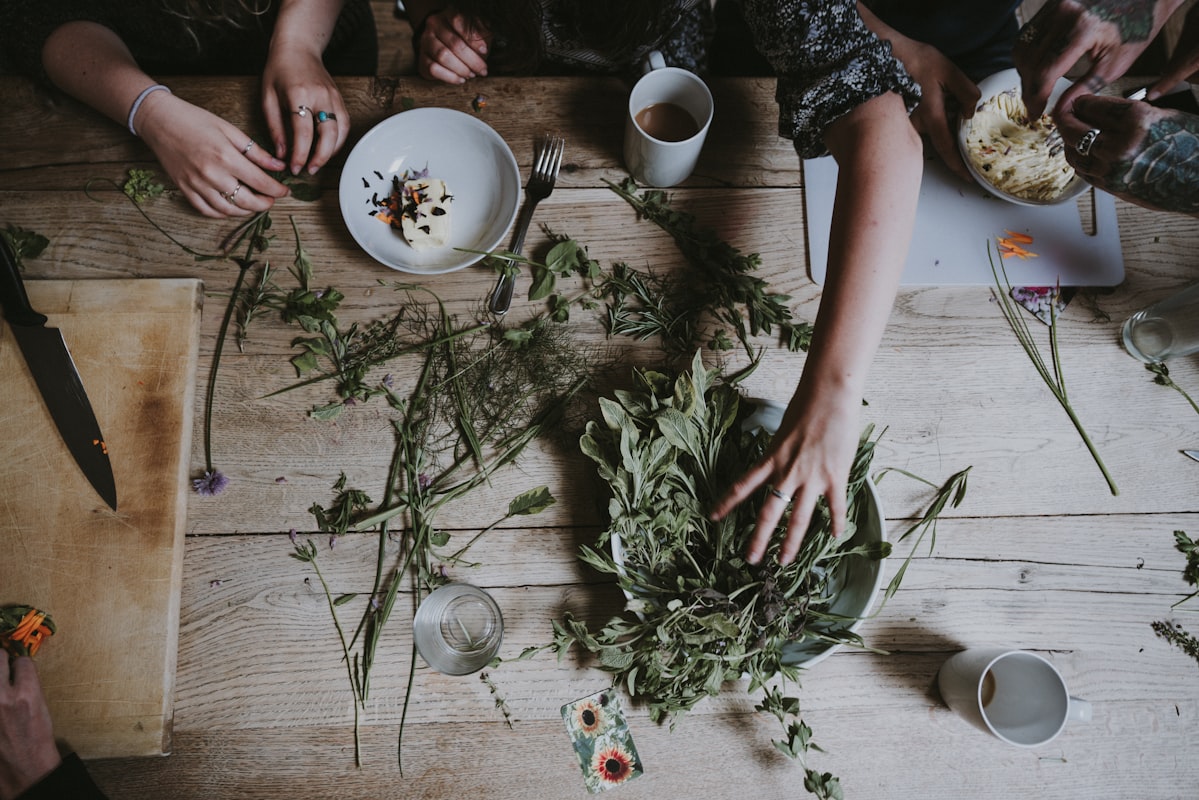
Explore how cultures understand food not just as nutrition, but as part of broader wellness approaches and seasonal living.

Ayurvedic Wellness Principles
Understand the ancient Indian wellness system's approach to constitutional types, seasonal living, and individualised practices.
What Our Community Says
Real stories from real people on their natural wellness journey
"Natural Wellness Roots transformed my approach to health. I feel more energized, balanced, and genuinely connected to my body's needs."
Sarah Richards
Wellness Coach
"The holistic approach here really resonates with me. I've learned practical tools I use every single day to support my health naturally."
Marcus Johnson
Nutrition Enthusiast
"Finally, a resource that honors both ancient wisdom and modern science. This is exactly what I needed for my wellness journey."
Elena Martinez
Holistic Health Practitioner
Frequently Asked Questions
Got questions? We've got answers
What makes Natural Wellness Roots different?
We blend ancient wellness traditions with modern science, offering evidence-based practices rooted in time-honored wisdom. Our holistic approach addresses the whole person—mind, body, and spirit.
Are the practices suitable for beginners?
Absolutely! All our guides and resources are designed to be accessible to everyone, regardless of experience level. We provide beginner-friendly information and easy-to-follow practices you can start implementing immediately.
Can I combine these practices with my current routine?
Yes! Our practices complement existing routines and medical care. We encourage integration with your lifestyle and recommend consulting healthcare professionals before making significant changes.
How often should I practice these wellness techniques?
Consistency is key to wellness. We recommend daily practice where possible, starting with just 10-15 minutes. As you develop the habit, you can gradually increase duration and frequency based on your lifestyle and goals.